Contact Tracing or Constitutional Creep?
South Korea’s High-Tech Pandemic Gamble
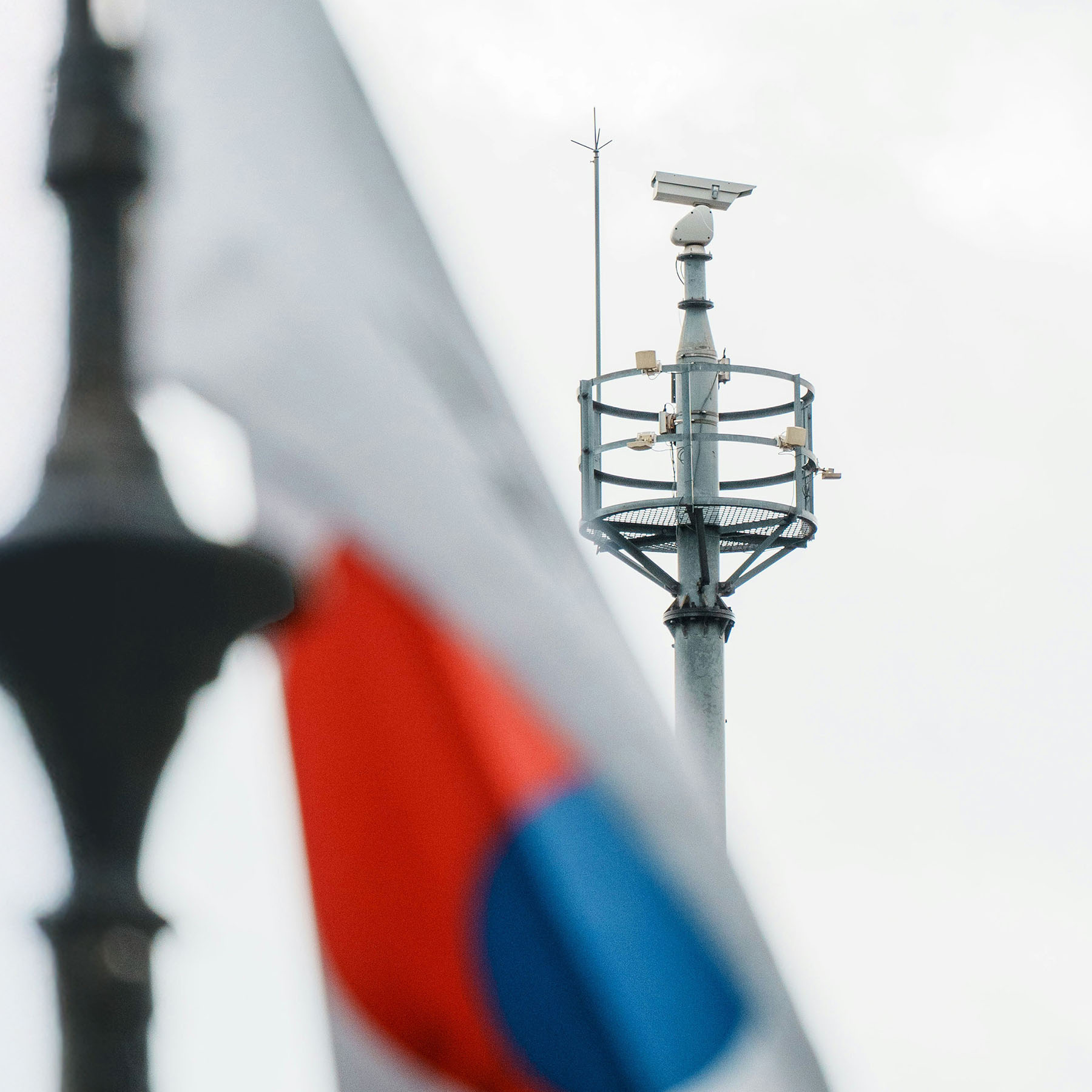
In April 2020, deep into the global confusion surrounding the COVID-19 pandemic, the Republic of Korea stood out. As New York and Milan reeled, Seoul was relatively calm. At the Ministry of Health and Welfare, Vice Minister Kim Gang-lip reviewed a situational dashboard unlike any in the world: real-time movement data of infected individuals, sourced from mobile phones, credit card transactions and CCTV footage. The “epidemiological intelligence system,” built from an unusual public-private collaboration, was already credited with suppressing multiple outbreaks without national lockdowns.
But behind the scenes, a fierce debate was growing. Civil rights groups were raising concerns about privacy and the long-term consequences of normalizing surveillance. At the centre of it all was the Korea Disease Control and Prevention Agency (KDCA), whose leadership was pushing for ever greater integration of private sector data into public health systems.
Case Study #20
Download Includes: Case Study, Teaching Note
ISSN 2819-0475 • doi:10.51644/BCS020