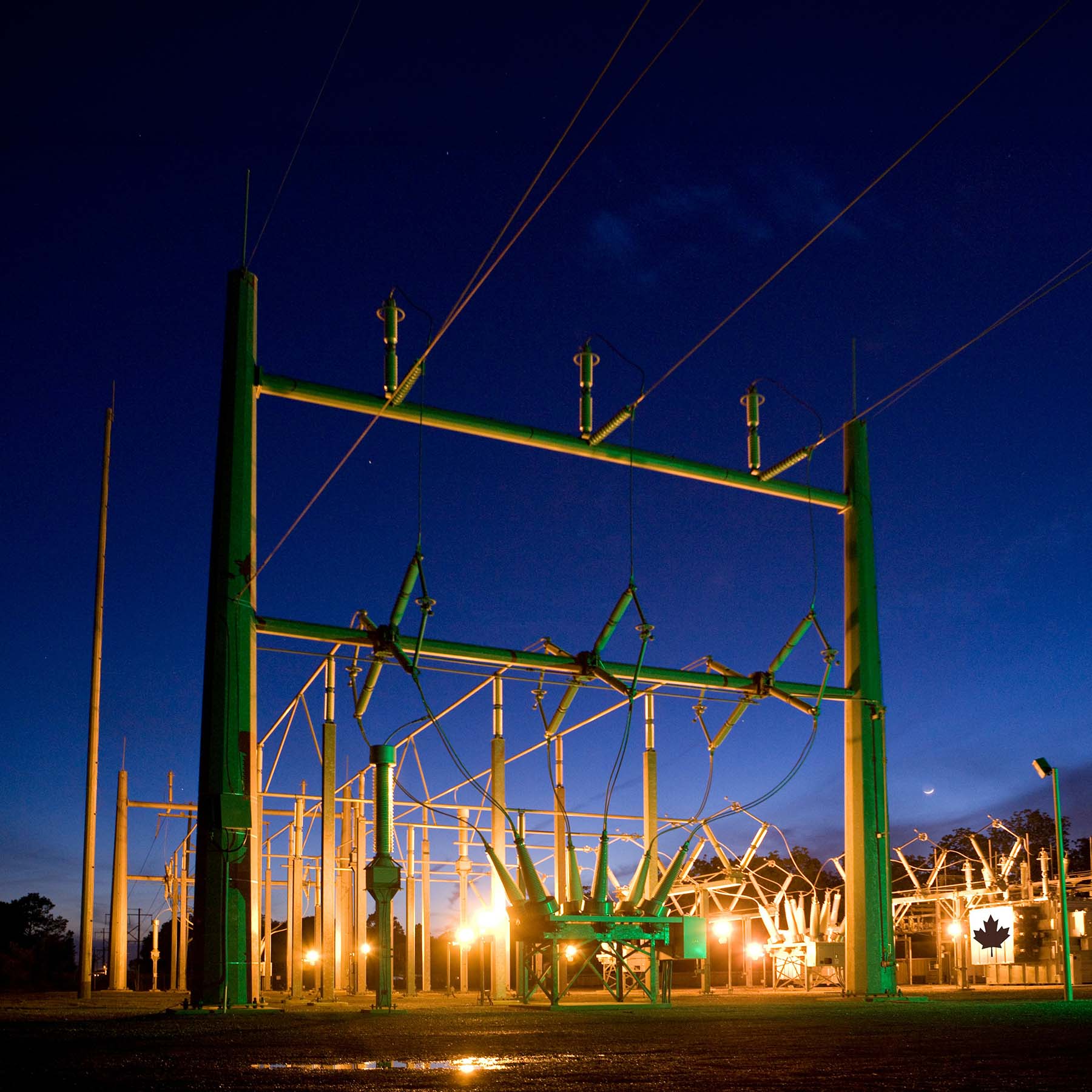
Who Pulls the Plug? Governing Autonomous AI Shutdown Decisions in Canada’s Smart Grid
This case presents a decision-forcing dilemma within the context of a provincial electricity operator. After a suspected coordinated cyber intrusion, an AI-based anomaly detection system recommends immediate substation isolation. The intervention likely prevents a cascading grid instability, but triggers rolling outages that affect hospitals and public transit. Post-incident analysis shows that the AI system, branded Sentinel-A, substantially overestimated the probability of cascading failure, prompting legal, political and governance questions about AI-assisted decision making.
The case frames two distinct decisions. The first is the real-time, 73-second authorization — a human-mediated choice made while Sentinel-A remained in advisory mode. The second is the institutional question brought to the Independent Electricity System Operator (IESO) board the next morning: should advisory mode remain the governing policy, or should Sentinel-A be granted either full pre-authorized autonomy or a more limited conditional autonomy framework? Keeping this distinction clear prevents students from conflating the emergency operational decision with the governance design question.
Case Study #33
Download Includes: Case Study, Teaching Note
ISSN 2819-0475 • doi:10.51644/BCS033